
- Joined
- May 11, 2015
- Posts
- 5,551
- Likes
- 1,327
- Points
- 558
https://www.msn.com/en-us/news/us/t...S&cvid=68c1bea19e7a439a94de16ede684f92b&ei=11

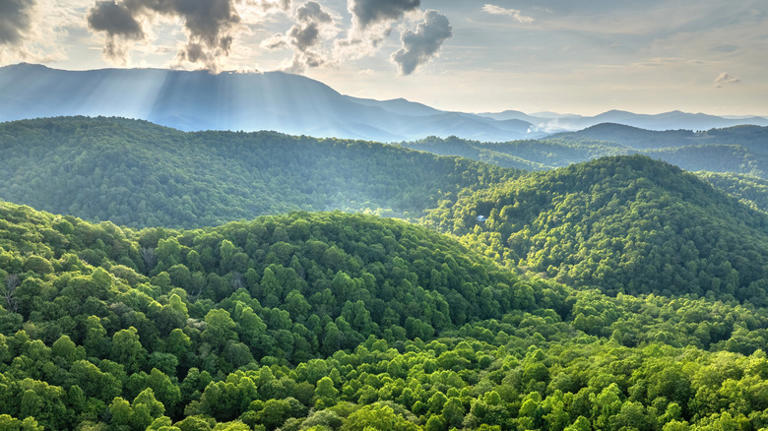
US Trump Public Lands© Mark Schiefelbein
BILLINGS, Mont. (AP) — Interior Secretary Doug Burgum on Wednesday proposed canceling a public land management rule that put conservation on equal footing with development, as President Donald Trump's administration seeks to open more taxpayer-owned tracts to drilling, logging, mining and grazing.
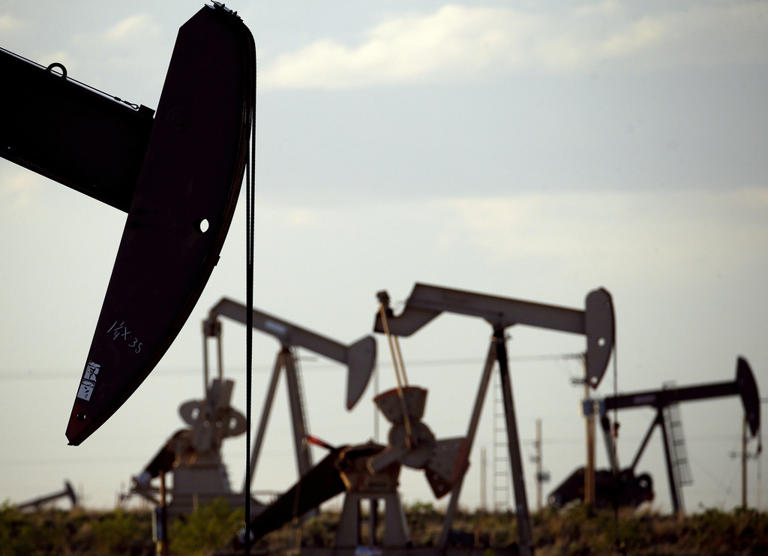
US Trump Public Lands© Charlie Riedel
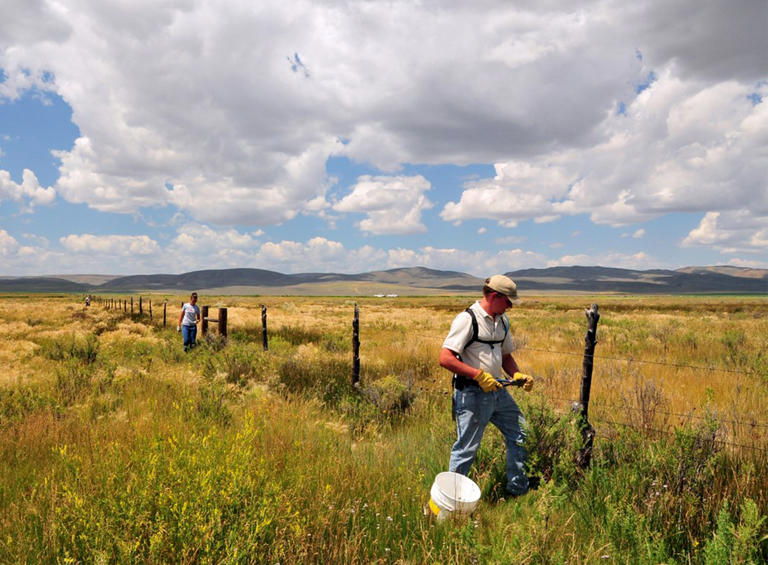
The rule was a key part of efforts under former President Joe Biden to refocus the Interior Department's Bureau of Land Management, which oversees about 10% of land in the U.S. Adopted last year, it allowed public property to be leased for restoration in the same way that oil companies lease land for drilling.
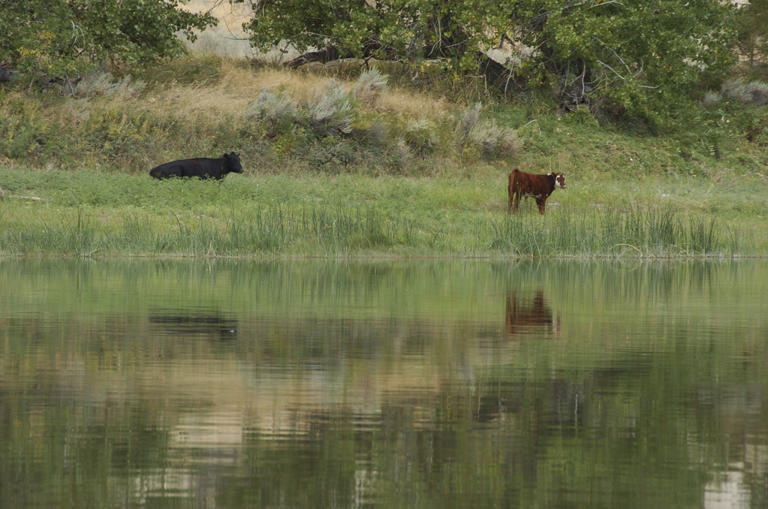
US Trump Public Lands© Matthew Brown
Industry and agriculture groups were bitterly opposed to the Biden rule and lobbied Republicans to reverse it. States including North Dakota, where Burgum served as governor before joining Trump's Cabinet, pursued a lawsuit hoping to block the rule.
Wednesday's announcement comes amid a flurry of actions since Trump took office aimed at boosting energy production from the federal government's vast land holdings, which are concentrated in Western states including Alaska, California, Nevada, New Mexico, Utah and Wyoming.

Interior officials said the Biden rule had sidelined people who depend on public lands for their livelihoods and imposed unneeded restrictions.
Burgum said in a statement that it would have prevented thousands of acres from being used for energy and mineral productions, grazing and recreation. Overturning it “protects our American way of life and gives our communities a voice in the land that they depend on,” Burgum said.
“The previous administration’s Public Lands Rule had the potential to block access to hundreds of thousands of acres of multiple-use land – preventing energy and mineral production, timber management, grazing and recreation across the West,” Burgum said.
Environmentalists had largely embraced the rule that was finalized in April 2024. Supporters argued that conservation was a long-neglected facet of the land bureau’s mission under the 1976 Federal Lands Policy Management Act.
“The administration cannot simply overthrow that statutory authority because they would prefer to let drilling and mining companies call the shots,” said Alison Flint, senior legal director at The Wilderness Society.
While the bureau previously issued leases for conservation purposes in limited cases, it never had a dedicated program for it.
Critics said the change under Biden violated the “multiple use” mandate for Interior Department lands, by catapulting the “non-use” of federal lands — meaning restoration leases — to a position of prominence.
National Mining Association CEO Rich Nolan said Burgum's proposal would ensure the nation's natural resources are available to address rising energy demands and supply important minerals.
“This is a welcome change from the prior clear disregard for the legal obligation to balance multiple uses on federal lands,” Nolan said.
The rule also promoted the designation of more “areas of critical environmental concern” — a special status that can restrict development. It’s given to land with historic or cultural significance or that’s important for wildlife conservation.
In addition to its surface land holdings, the land bureau regulates publicly-owned underground mineral reserves — such as coal for power plants and lithium for renewable energy — across more than 1 million square miles (2.5 million square kilometers). The bureau has a history of industry-friendly policies and for more than a century has sold grazing permits and oil and gas leases.
The pending publication of Burgum's proposal will kick off a 60-day public comment period.
House Republicans last week repealed land management plans adopted in the closing days of former President Joe Biden’s administration that restricted development in large areas of Alaska, Montana and North Dakota. Interior officials also announced a proposal aimed at increasing mining and drilling in Western states with populations of greater sage grouse. Biden administration officials proposed limits on development and prohibitions against mining to help protect the grouse.
US Trump Public Lands© Mark Schiefelbein
BILLINGS, Mont. (AP) — Interior Secretary Doug Burgum on Wednesday proposed canceling a public land management rule that put conservation on equal footing with development, as President Donald Trump's administration seeks to open more taxpayer-owned tracts to drilling, logging, mining and grazing.
US Trump Public Lands© Charlie Riedel
The rule was a key part of efforts under former President Joe Biden to refocus the Interior Department's Bureau of Land Management, which oversees about 10% of land in the U.S. Adopted last year, it allowed public property to be leased for restoration in the same way that oil companies lease land for drilling.
US Trump Public Lands© Matthew Brown
Industry and agriculture groups were bitterly opposed to the Biden rule and lobbied Republicans to reverse it. States including North Dakota, where Burgum served as governor before joining Trump's Cabinet, pursued a lawsuit hoping to block the rule.
Wednesday's announcement comes amid a flurry of actions since Trump took office aimed at boosting energy production from the federal government's vast land holdings, which are concentrated in Western states including Alaska, California, Nevada, New Mexico, Utah and Wyoming.
Interior officials said the Biden rule had sidelined people who depend on public lands for their livelihoods and imposed unneeded restrictions.
Burgum said in a statement that it would have prevented thousands of acres from being used for energy and mineral productions, grazing and recreation. Overturning it “protects our American way of life and gives our communities a voice in the land that they depend on,” Burgum said.
“The previous administration’s Public Lands Rule had the potential to block access to hundreds of thousands of acres of multiple-use land – preventing energy and mineral production, timber management, grazing and recreation across the West,” Burgum said.
Environmentalists had largely embraced the rule that was finalized in April 2024. Supporters argued that conservation was a long-neglected facet of the land bureau’s mission under the 1976 Federal Lands Policy Management Act.
“The administration cannot simply overthrow that statutory authority because they would prefer to let drilling and mining companies call the shots,” said Alison Flint, senior legal director at The Wilderness Society.
While the bureau previously issued leases for conservation purposes in limited cases, it never had a dedicated program for it.
Critics said the change under Biden violated the “multiple use” mandate for Interior Department lands, by catapulting the “non-use” of federal lands — meaning restoration leases — to a position of prominence.
National Mining Association CEO Rich Nolan said Burgum's proposal would ensure the nation's natural resources are available to address rising energy demands and supply important minerals.
“This is a welcome change from the prior clear disregard for the legal obligation to balance multiple uses on federal lands,” Nolan said.
The rule also promoted the designation of more “areas of critical environmental concern” — a special status that can restrict development. It’s given to land with historic or cultural significance or that’s important for wildlife conservation.
In addition to its surface land holdings, the land bureau regulates publicly-owned underground mineral reserves — such as coal for power plants and lithium for renewable energy — across more than 1 million square miles (2.5 million square kilometers). The bureau has a history of industry-friendly policies and for more than a century has sold grazing permits and oil and gas leases.
The pending publication of Burgum's proposal will kick off a 60-day public comment period.
House Republicans last week repealed land management plans adopted in the closing days of former President Joe Biden’s administration that restricted development in large areas of Alaska, Montana and North Dakota. Interior officials also announced a proposal aimed at increasing mining and drilling in Western states with populations of greater sage grouse. Biden administration officials proposed limits on development and prohibitions against mining to help protect the grouse.